


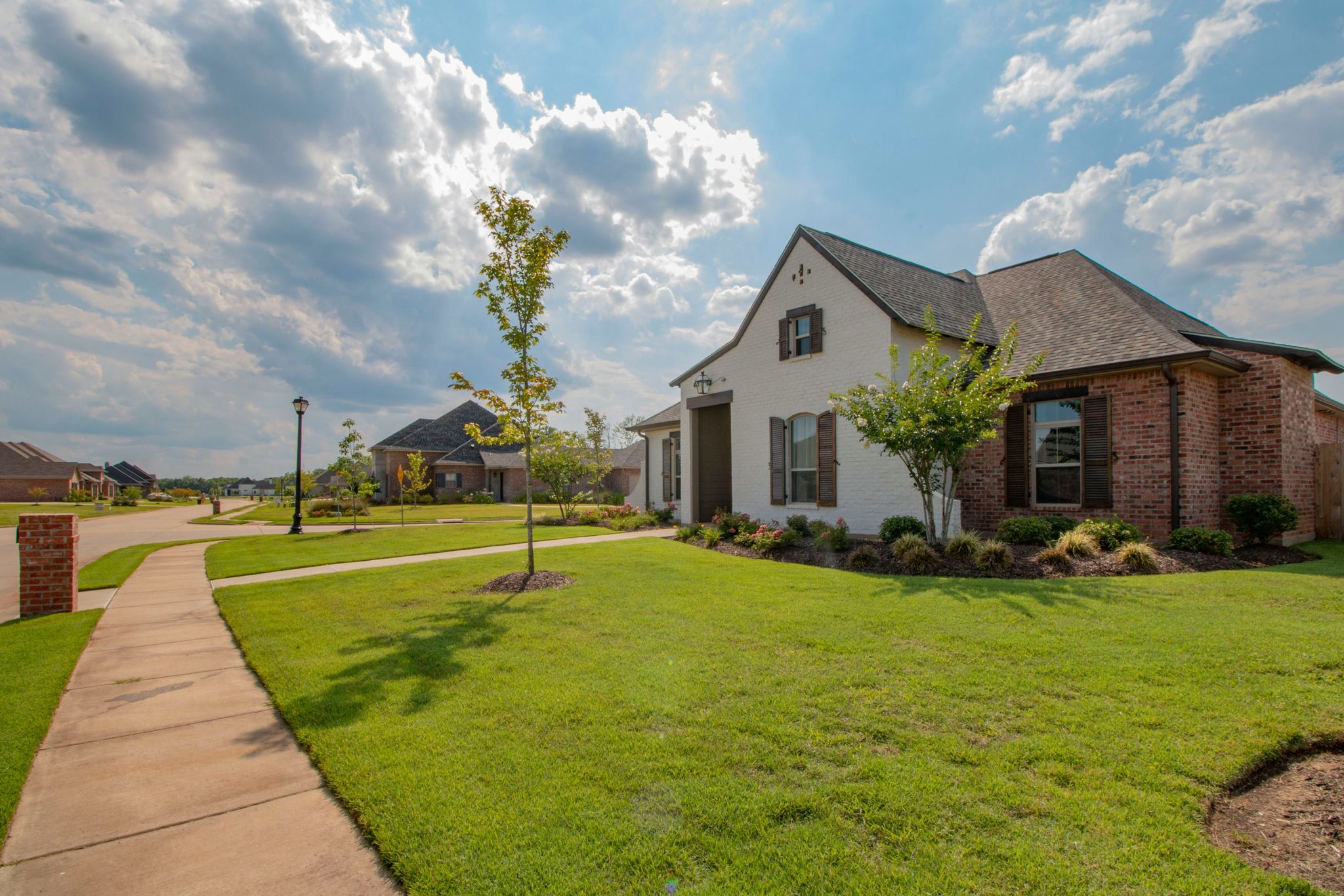
The question most buyers wrestle with right now is a straightforward one on the surface: do you buy a brand new home or an existing one? But the answer gets complicated fast. Budget, timing, monthly payment, and how much repair risk you're willing to take on all matter more than whether you prefer fresh finishes or a home with some history behind it.
This guide walks through both options side by side so you can make a more confident decision. And the most important thing to understand before you get into the details is this: list price alone is not a reliable way to compare the two. Total move-in cost, monthly affordability, builder incentives, repair exposure, and what kind of protection you have after closing all deserve equal weight in that comparison.
Start With the Best Fit for Your Budget and Timeline
The fastest way to filter your options is to ask two questions first: how soon do you need to move, and how much cash can you comfortably spend upfront? Those two answers will tell you more than almost anything else.
Resale homes tend to work better for buyers who need to move within a defined window. You can walk through the property, see exactly what you're getting, and close on a timeline that works for your situation. There's no waiting on a builder's schedule or hoping a project stays on track. What you see during the tour is what you move into.
New construction is a different kind of commitment. If you're buying a home that hasn't been built yet, you're looking at months of waiting, which is a real constraint if your lease is ending or you're relocating for work. That said, spec homes, homes that are already under construction or recently completed, can close on a timeline closer to resale and are worth asking builders about directly.
One thing buyers often overlook is that new construction can actually be more affordable on a monthly basis than resale, even when the purchase price is higher. Builders frequently offer incentives like temporary rate buydowns that lower your interest rate for the first few years, which directly reduces your monthly payment. When you factor that in, the assumption that resale is always the cheaper path doesn't always hold up.
Builder incentives tend to be most generous when a community has standing inventory or when a builder is trying to hit quarterly sales targets. That's worth knowing because the timing of your search can affect what's available to you. Visiting a new community at the end of a quarter or when a phase is wrapping up often puts you in a stronger position to negotiate those offers.
Lifestyle realities, not personal preference, are what should drive this first filter. If you need a home in sixty days, that narrows your options quickly. If you have flexibility, the door opens wider, and that's when the deeper comparison really starts to matter.
Why the Lower Price Is Not Always the Better Deal
New construction list prices can look higher than nearby resale homes, and for many buyers, that's where the comparison stops. But that's also where a lot of costly assumptions get made.
A resale home listed at $450,000 might already include a finished backyard, window coverings, kitchen appliances, a patio, and mature landscaping. A new construction home listed at $430,000 might not include any of those things. By the time you add lot premiums, design center upgrades, appliances, blinds, fencing, and sod, that price gap can close quickly or reverse entirely.
The more useful number to compare is your all-in move-in cost, which means adding together the contract price, closing costs, any upgrades or add-ons, estimated first-year repair or maintenance needs, and the cost of anything the home doesn't already include. Running that calculation for both options in the same budget range gives you a much clearer picture than headline prices ever will.
There's also a national data point worth knowing here. In recent years, new home prices have at times come in below existing home prices in certain markets, largely because builders responded to affordability pressure by adjusting home sizes, reducing square footage, and offering more entry-level floor plans. That shift means the old assumption that new construction is always the premium option isn't universally true anymore.
For resale, the cost conversation usually centers on what the home needs after you move in. An older roof, an aging HVAC system, or outdated plumbing are things a good inspection will surface, but they're also costs you'll need to plan for. A home that's priced attractively because it needs work isn't necessarily a bad deal, but it does require honest budgeting before you commit.
Closing costs are another place where the comparison gets more nuanced. Builders sometimes cover a portion of closing costs as part of their incentive packages, which can meaningfully reduce what you need to bring to the table. With resale, closing cost credits are more situational and typically tied to inspection findings, appraisal gaps, or a seller who's motivated to move quickly.
Totaling up contract price, closing costs, upgrade costs, repair needs, and first-year expenses before making a decision is the clearest way to compare both options honestly. That number, not the listing price, is what you'll actually feel in your bank account.
How Financing and Incentives Can Tip the Scales
When mortgage rates are elevated, your monthly payment becomes a more important number than your purchase price. A $20,000 difference in purchase price might only move your monthly payment by $100 or so, but a half-point difference in your interest rate can move it by much more over the life of the loan.
This is where builder incentives deserve serious attention. The most common offer you'll see from production builders is a temporary rate buydown, typically structured as a 2-1 buydown, where your rate is reduced by two percentage points in the first year and one percentage point in the second year before settling at the note rate. Some builders also offer permanent rate buydowns, closing cost contributions, or design center credits through their preferred lenders. These aren't small perks; they can add up to tens of thousands of dollars in real value depending on the community and the builder's current sales goals.
With resale, the negotiation dynamic works differently. Credits from sellers tend to come up in response to specific circumstances, such as repair items flagged during inspection, an appraisal that comes in below the agreed price, or a seller who has had the home on the market longer than expected. The flexibility is real, but it's reactive rather than structured, and it's harder to count on before you've made an offer.
The practical question to ask yourself when comparing both options is which one leaves you with less cash to close and a more manageable monthly payment. Those two numbers, not the sticker price, are what you'll live with every month. New construction often wins on structured, upfront incentives, while resale may give you more room to negotiate terms once you're in the process.
One thing to watch with builder incentives is that they're frequently tied to using the builder's preferred lender. That's not automatically a bad deal, but it does mean you should compare that lender's offer against outside financing before assuming it's the best rate available to you. Ask the builder what the incentive is worth in dollar terms and then run the numbers both ways.
What You Are Really Buying Beyond the House Itself
The home itself is only part of what you're committing to. The neighborhood, the commute, the schools, the shade in the backyard in August, and whether there's a coffee shop within walking distance are all part of the daily experience of living somewhere.
New construction communities often offer modern layouts and energy-efficient features that older homes can't easily match, but the surrounding area may still be actively developing. That can mean living near ongoing construction for a year or more, looking at empty lots where neighbors will eventually be, and waiting for retail, restaurants, and services to catch up to the residential growth. Some buyers are completely fine with that trade-off. Others find it harder to live with than they expected.
Resale homes in established neighborhoods come with a different set of advantages. Mature trees that actually provide shade, schools with a track record you can research, nearby amenities that are already open, and neighbors who have lived there long enough to know the area well. For buyers who value a sense of place from day one, that matters.
Before deciding, it helps to think through a few specific questions about each option you're seriously considering. For new construction, ask about HOA turnover timelines, when future phases are planned, what the property tax rate is likely to be once the community is fully assessed, and how long construction in the surrounding area is expected to continue. For resale, ask about the neighborhood's general trajectory, what's changed in the last five years, and whether any major infrastructure or development is planned nearby.
Walkability, privacy, commute time, and how long you're willing to wait for a neighborhood to feel complete are all worth weighing carefully. These aren't small details. They shape how much you actually enjoy living in the home you're about to buy.
Repairs, Maintenance, and the Risk You Take on Day One
Neither option is risk-free when it comes to what might go wrong after you move in, and it's worth being clear-eyed about that from the start.
New construction homes generally come with lower immediate repair exposure, which is one of their most practical advantages. You're not inheriting an aging roof, a furnace that's been running for fifteen years, or windows that are starting to fail. But new doesn't mean perfect. Punch list items, which are minor defects or unfinished work that a builder agrees to fix after closing, are common. Beyond that, some new homes experience drainage issues, grading problems, or settlement in the first year or two as the structure adjusts and the lot stabilizes. These aren't always serious, but they do require follow-up and documentation.
Resale homes offer something new construction can't: a visible track record. You can see how the home has been maintained, review disclosure documents, and get a thorough inspection before you commit. The risk is that older components, whether that's the roof, HVAC system, plumbing, or foundation, may be approaching the end of their useful life. A home inspection will surface most of these concerns, but not all of them, and repair costs for major systems can run into the thousands.
A simple way to plan for this is to set aside a first-year maintenance reserve before you close. For a new construction home, a smaller reserve is usually sufficient since most systems are under warranty and the home hasn't had time to accumulate wear. For a resale home, a common starting point is budgeting one to two percent of the home's purchase price annually for maintenance and repairs, though that number should increase if the home is older or if the inspection flagged deferred maintenance.
The real trade-off here is convenience now versus potential repair costs later. New construction offers a cleaner start, while resale gives you more information upfront to work with. Neither path eliminates risk entirely, but knowing what type of risk you're more comfortable managing helps you choose the option that fits your situation.
Builder Warranties and Service Contracts Are Not the Same Thing
A builder warranty and a Residential Service Contract are two different things, and confusing them can leave you with a false sense of security after closing.
When you buy a new construction home, the builder typically provides a warranty that covers specific elements of the home for set periods. A common structure covers workmanship and materials for one year, mechanical systems like plumbing, electrical, and HVAC for two years, and structural defects for ten years. These timeframes can vary by builder and by state, so reading the actual warranty document matters. Pay close attention to the exclusions, the process for filing a claim, and whether the warranty is backed by the builder directly or through a third-party warranty company. If the builder goes out of business, a third-party-backed warranty may be the only coverage you have.
A Residential Service Contract, sometimes called a home warranty, is a separate product that's more commonly associated with resale transactions. Sellers sometimes offer one as part of the deal to give buyers more confidence, or buyers can purchase one independently. These contracts typically cover certain appliances and home systems for a set term, usually one year, and work on a service call model where you pay a fee each time you request a repair.
The important thing to understand is that a Residential Service Contract is not a substitute for a thorough home inspection, and it doesn't protect against construction defects. Coverage limits, exclusions, and service fees vary significantly between providers, so reading the contract carefully before relying on it is essential. Some contracts exclude pre-existing conditions, which means a system that's already showing wear at the time of purchase may not be covered.
When reviewing either type of coverage, the questions that matter most are what's actually covered, for how long, who backs the coverage if a dispute arises, and what costs still fall on you as the homeowner. Those answers tell you far more than the marketing language on the front page of any warranty document.
A Simple Side-by-Side Test for Making the Final Choice
Comparing new construction and resale across five filters gives you a practical framework for making a decision that holds up beyond the excitement of a home tour. Those filters are budget, monthly payment, timeline, maintenance comfort, and neighborhood preference.
New construction tends to be the stronger fit when you want lower early repair risk, have flexibility in your move-in timeline, and want to take advantage of structured builder incentives. It also makes sense if customization matters to you, whether that's choosing your finishes, floor plan, or lot location within a community.
Resale tends to work better when you need to move within a defined window, want to know exactly what you're getting before you close, and prefer the feel of a neighborhood that's already established. It's also worth considering if the specific location matters more to you than the age of the home, since resale inventory is often more centrally located than new construction communities.
One of the most useful things you can do before making a final decision is compare at least one strong new construction option and one strong resale option within the same budget range. Doing that side by side, with real numbers for both, makes the trade-offs concrete instead of theoretical. You'll see where the monthly payment actually lands, what each option includes, and which one leaves you in a better financial position after closing.
The smartest choice is the one that fits your real life: your actual timeline, your cash on hand, your tolerance for uncertainty, and the daily experience of living in that home and that neighborhood. A home that looks great on paper but creates financial stress or doesn't suit how you live isn't a good deal at any price.
Final Thoughts
Choosing between a new construction home and a resale property is rarely a simple decision, and it shouldn't feel like one. Both paths come with real trade-offs that go well beyond the listing price. New builds can offer modern layouts, energy-efficient features, and builder incentives like rate buydowns or covered closing costs, but they also come with longer timelines and neighborhoods that may still be years away from feeling fully established. Resale homes give you mature communities and more room to negotiate, though repair risks and older systems can add unexpected costs after move-in.
What this guide aimed to do was give you a clear, honest framework for weighing those differences. Understanding how builder warranties compare to Residential Service Contracts, how mortgage rate incentives actually work, and what true move-in cost looks like beyond the sticker price are the details that can genuinely shift your decision.
No one should feel pressured into a choice this significant without the right information. Whether your priority is customization, convenience, long-term value, or simply finding a home that fits your life right now, knowing what each option actually involves puts you in a much stronger position.
Talking to a real estate agent who knows your local market, asking builders the hard questions, and reviewing what a Residential Service Contract actually covers before you close on a resale home are all steps worth taking before you sign anything.
Check out this article next